
ALK Inhibitor Side Effects
Most Common Side Effects:

GI Issues
Gastrointestinal side effects are common, especially with Crizotinib. Symptoms include nausea, vomiting, diarrhea, and constipation.

Fatigue is more that feeling tired, it’s a persistent lack of energy that doesn’t improve with rest. It is very common with most ALKi medications.
Fatigue

Liver injury (also called hepatotoxicity) is irritation or injury of the liver and ALKi medications can cause this to happen. Hepatotoxicity is most common with Crizotinib.
Liver Injury
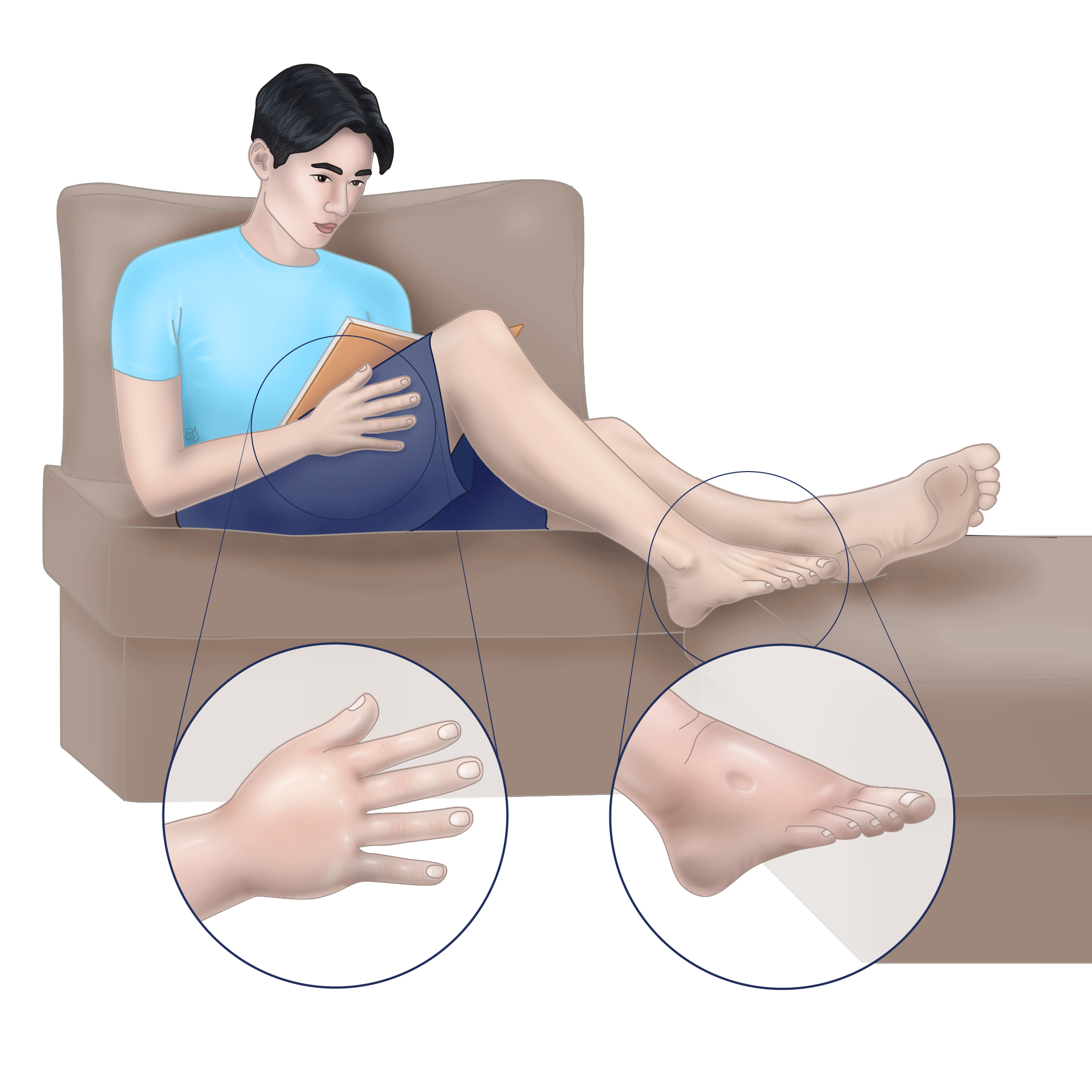
Edema means swelling caused by fluid buildup, while weight gain can be caused by fluid build-up or an increase in body fat. Both edema and weight gain are more common with Lorlatinib.
Edema & Weight Gain

MSK side effects include myalgia (muscle pain), arthralgia (joint pain) and neuropathy (nerve pain). Myalgia and arthralgia are more common with Alectinib, while neuropathy is common with Lorlatinib.
MSK Issues
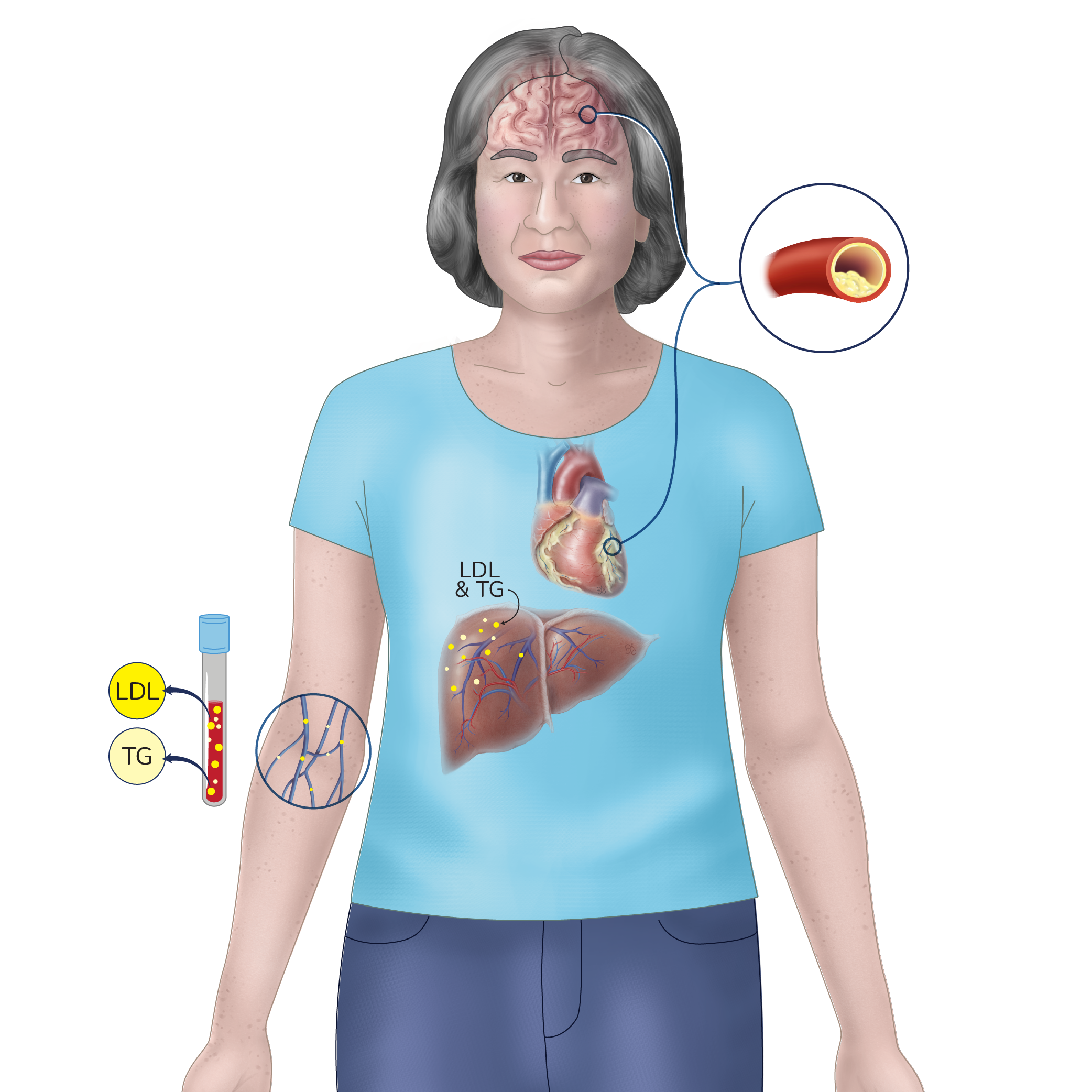
High fats in the blood is also known as high cholesterol (LDL and HDL) or high triglycerides (TG). This means there is too many lipids or fats in the blood which can cause blood vessels to become blocked. This is serious side effect of Lorlatinib.
High Fats in the Blood
Other Side Effects:

Cognitive and Mood Changes
These are changes in how you think, feel, or behave. They can feel like trouble concentrating, memory problems, mood swings, anxiety, or feeling confused.
This side effect is most common with Lorlatinib.
Dose changes or supportive care may help.
Seek emergency care for confusion, hallucinations, severe mood changes, suicidal thoughts, or seizures.

Vision Changes
These include blurry vision, double vision, flashes of light, or trouble adjusting to changes in lighting.
This side effect is most common with Crizotinib.
Eye exams may be necessary.
Seek emergency care for sudden vision loss, severe eye pain, or vision changes with headache or confusion.

High Blood Sugar
This happens when blood sugar levels rise higher than normal, which can cause increased thirst, frequent urination, fatigue, or blurred vision. This can worsen diabetes or cause new blood sugar problems.
This side effect is most common with Lorlatinib.
Routine blood sugar monitoring, and dietary changes can help manage this side effect.
Seek emergency care for confusion, extreme thirst, frequent urination, vomiting, or fruity-smelling breath.
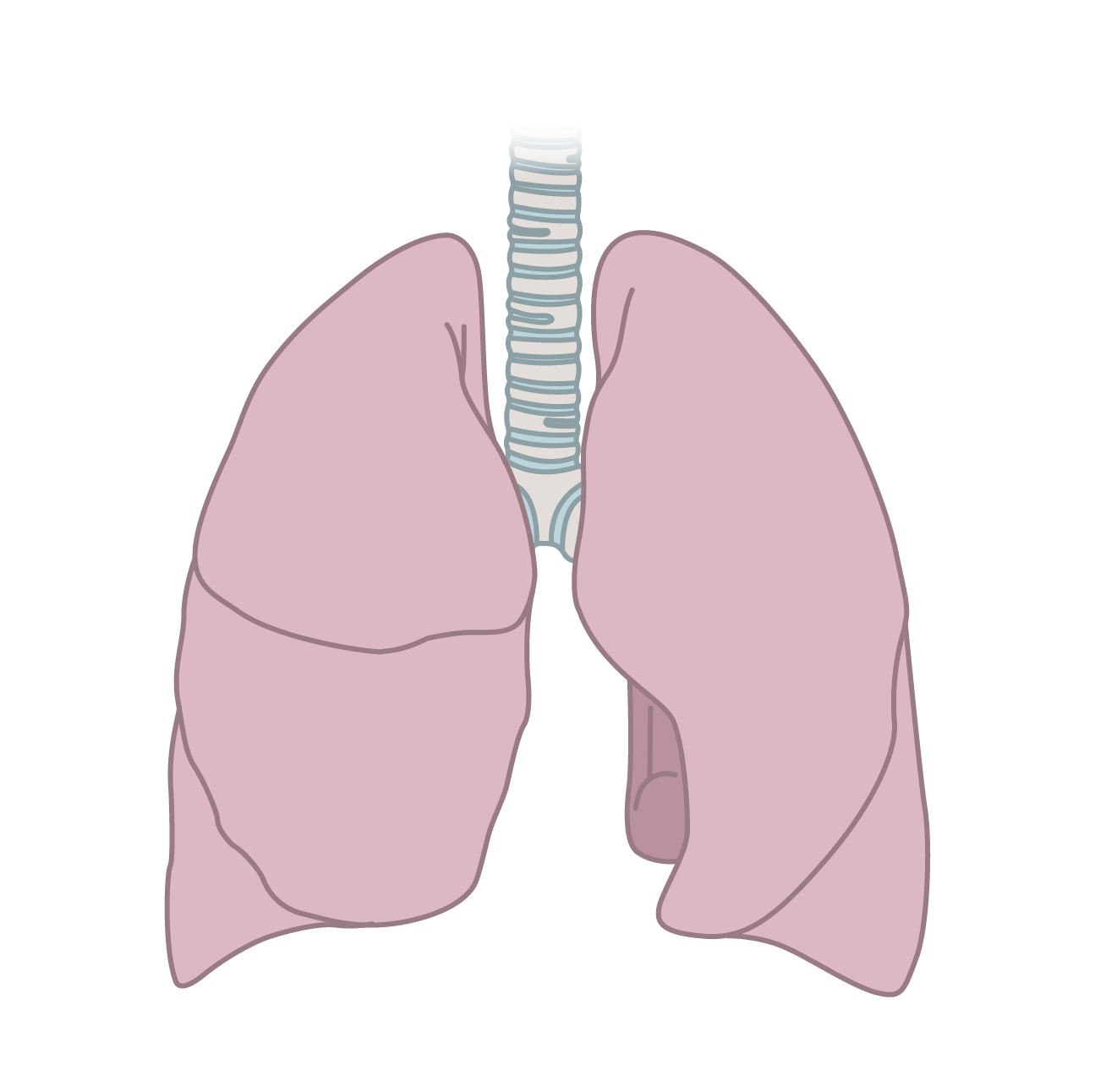
Lung Inflammation
This includes interstitial lung disease and pneumonitis. It occurs when there is irritation or swelling in the lungs that can make it hard to breathe and may feel like a new or worsening cough or shortness of breath.
This side effect is most common with Crizotinib and Alectinib.
It may be necessary to stop ALKi treatment or take steroid medications.
Seek emergency care for sudden or worsening shortness of breath, chest pain, or low oxygen levels.

Skin Reactions or Rash
These are changes to the skin such as redness, itching, or rash, which are usually mild but can sometimes become severe.
This side effect is most common with Alectinib.
Use gentle skin care and report rashes early. Creams or dose changes may help.
Seek emergency care for widespread rash with fever, blistering, peeling skin, or mouth sores.

Heart Rhythm Changes
These include QT prolongation, and bradycardia. These occur when the heart beats too slowly, too fast, or irregularly, which can cause dizziness, fainting, or a fluttering feeling in the chest.
This side effect is most common with Crizotinib.
Routine heart monitoring is important to identify these side effects.
Seek emergency care for fainting, severe dizziness, chest pain, or a very fast, slow, or irregular heartbeat.

Sun Sensitivity
This is also known as photosensitivity and it makes your skin more sensitive to sunlight, increasing the risk of sunburn even with short sun exposure.
This side effect is most common with Alectinib
Use sunscreen, protective clothing, and avoid strong sun exposure.
Seek emergency care for severe blistering sunburns, skin infection, or fever.