
Musculoskeletal (MSK) Issues
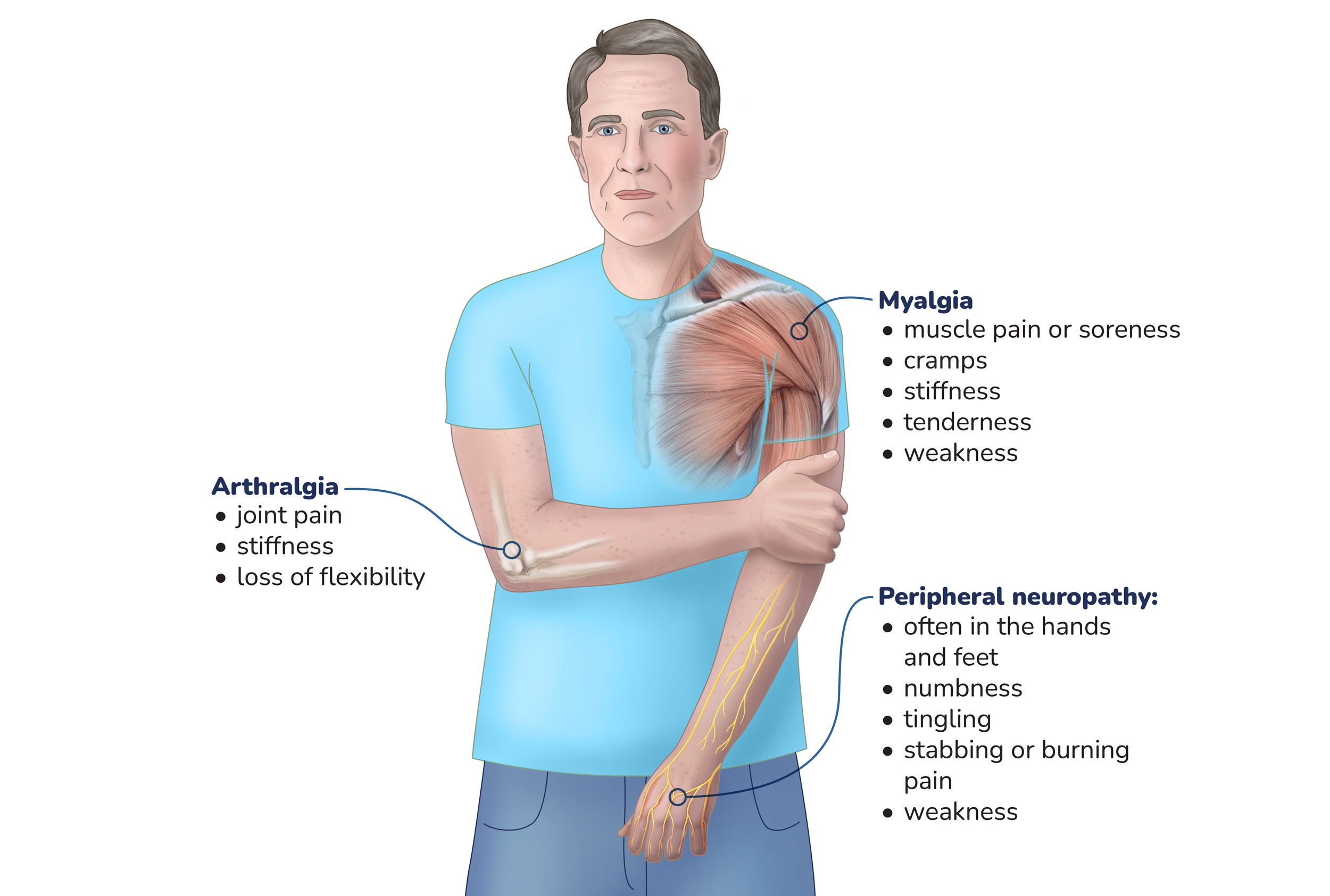
myalgia - muscle pain | arthralgia - joint pain | neuropathy - nerve pain
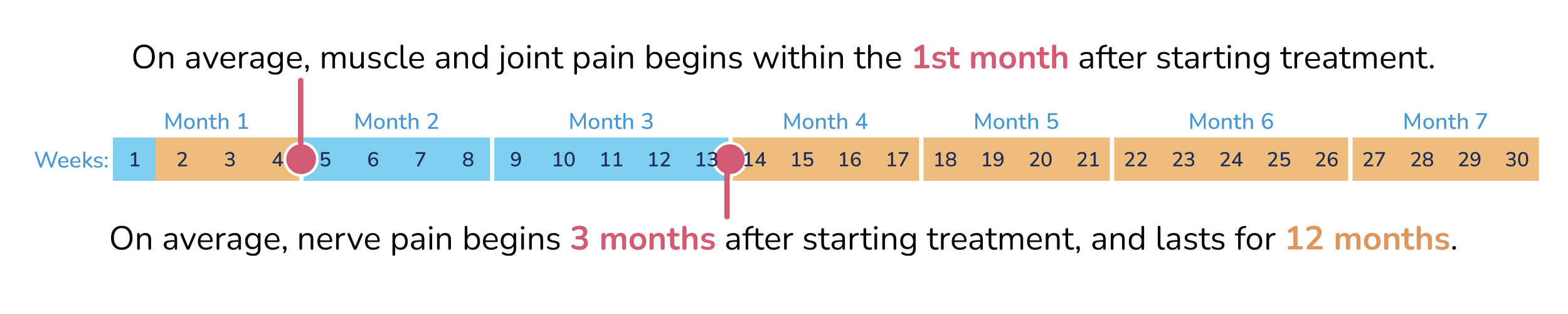
When do MSK Issues start and how long do they last?
How serious are MSK Issues?

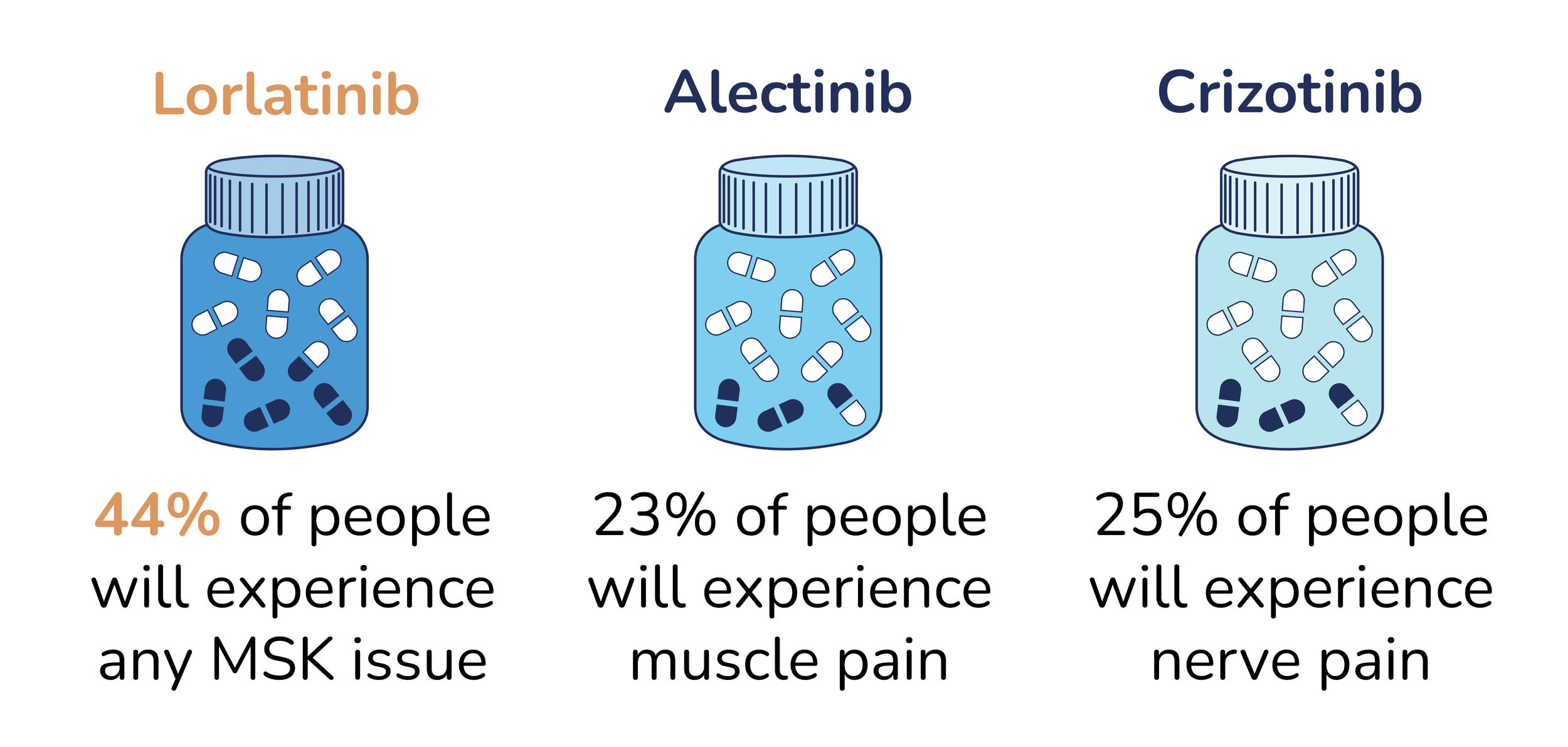
How likely is it that I will experience MSK Issues?
Prevention Strategies
-
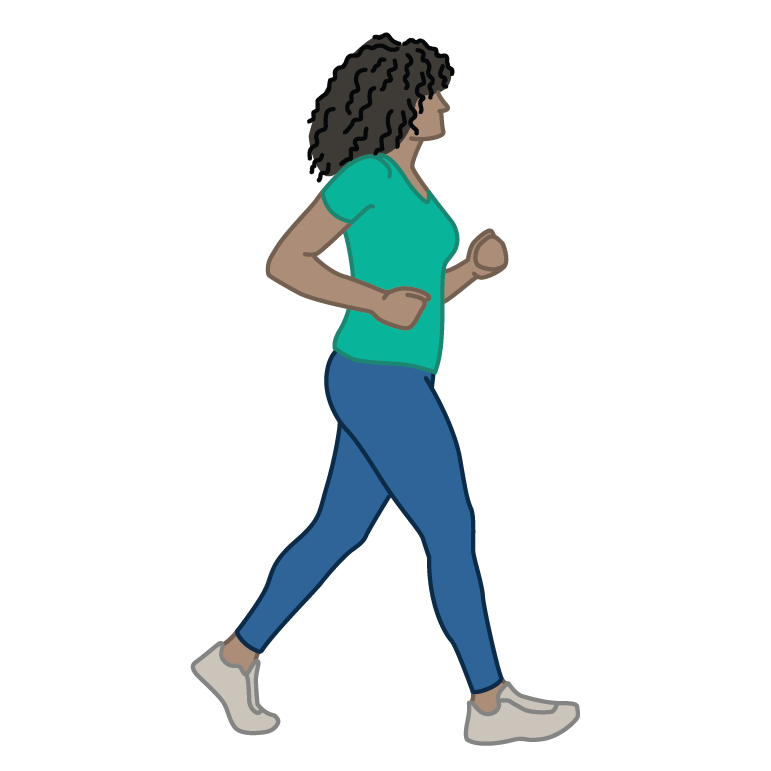
This includes activities such as walking, swimming, and yoga.
Why: exercise keeps joints and muscles flexible and can reduce stress on them. Exercise also improves circulation which may support nerve health.
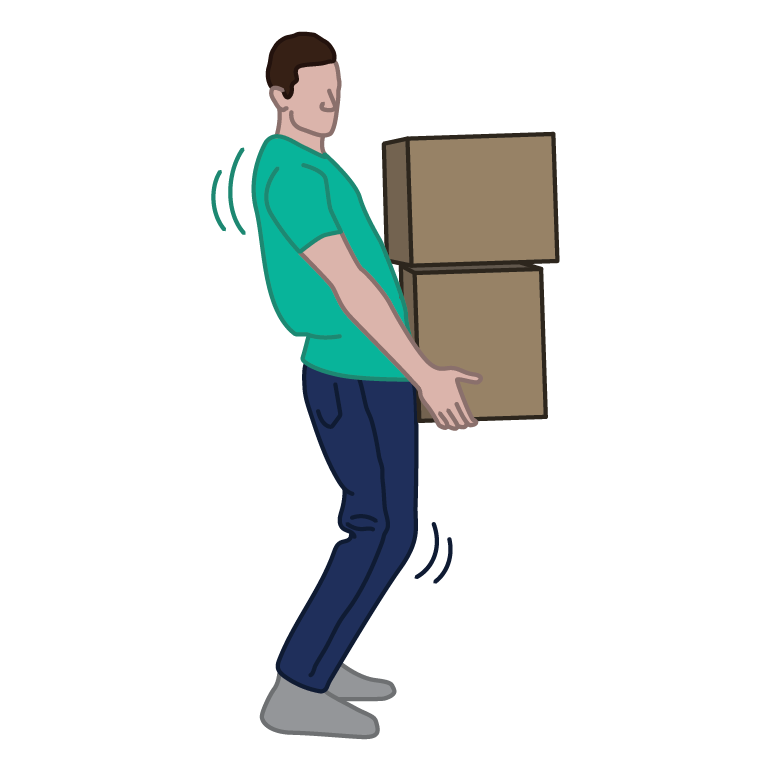
-
Start exercise gradually and build up intensity over time.
Avoid exercise that is hard on joints such as running, tennis, or contact sports.

-
Your healthcare team should monitor CPK levels with blood test every 2 weeks during the first month of treatment.
Why: elevated CPK levels can cause muscle pain.
Management Strategies
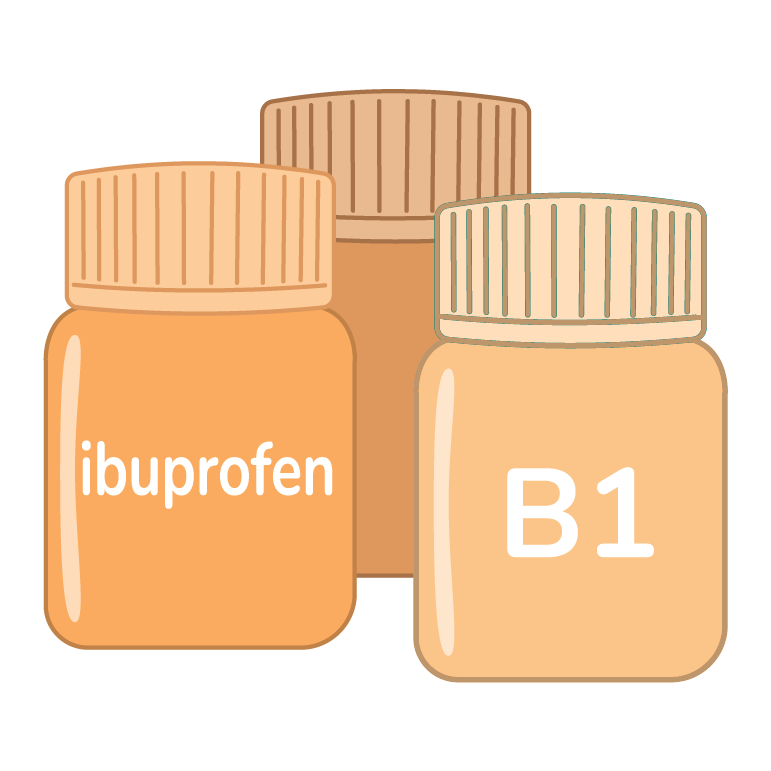
-
Myalgia and arthralgia:
take ibuprofen such as Advil or Alive for pain.
Peripheral neuropathy:
Talk to your healthcare team about supplements and medications that might help:
supplements such as B1 and B6.
medications such as gabapentin and pregabalin.
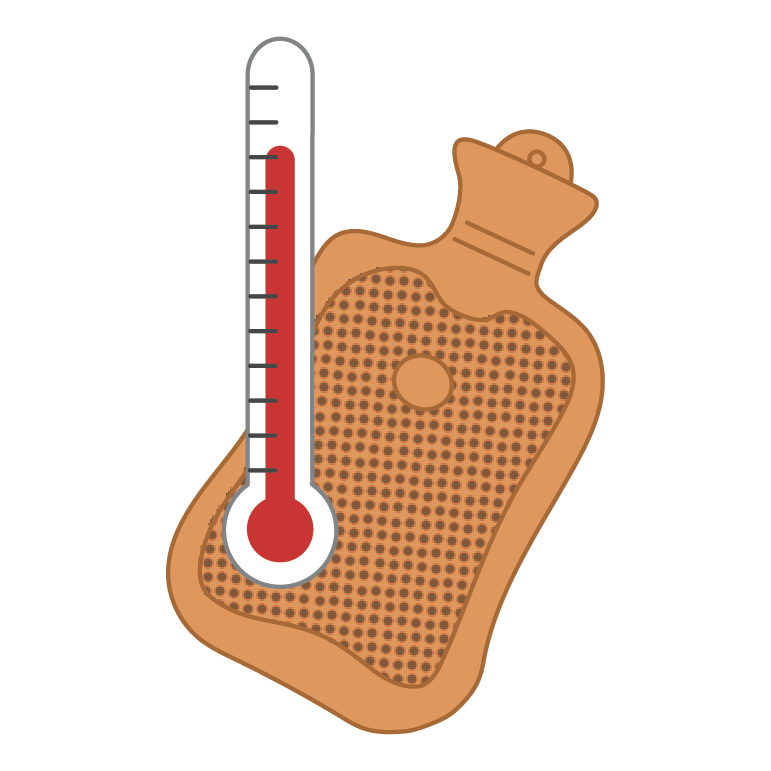
-
For arthralgia and myalgia:
try warm showers or a hot compress
massage and gentle stretching
For peripheral neuropathy:
keep hand and feet warm

-
If CPK elevation is severe:
Medication may be temporarily withheld.
Once CPK has returned to normal, medication may be resumed at the same or a reduced dose.
Severe neuropathy may require a dose modification.
Emergent Symptoms
If you are unsure, it is always safer to seek medical care.
Tell emergency staff you are on an ALK inhibitor for lung cancer.

Call a Healthcare Provider
Call your care team
New or worse muscle or joint pain
Pain that makes it hard to move or do daily tasks
Muscle pain that does not get better with rest or pain medicine
New or worse weakness
Burning, stabbing, or sharp pain
Changes in bathroom habits (trouble pooping or peeing)
Problems with balance or feeling unsteady

Visit an Emergency Room
Call 911 or drive to your closest emergency room
Chest pain
Trouble breathing
Very bad muscle or joint pain with redness or swelling
Muscle pain with fever, chills, or extreme tiredness
Sudden weakness or numbness on one side
Sudden trouble talking, seeing, or walking
Weakness that starts in the legs and moves up
Trouble breathing or swallowing
Passing out or very bad dizziness
Very fast, very slow, or uneven heartbeat
Loss of bladder or bowel control